Intelligent Labs

Services

Digital Workshop

Our modern, innovative department specialized in designing and making high-precision molds and complex parts for industrial processes.

With a focus on latest-generation technology and custom solutions, we offer complete services for the following production fields.

Fields

What we make

01

Thermoforming

We create durable, precise molds optimized for processing thermoformable materials efficiently, with consistent quality and short production times.

02

PP and PET blowing

We develop specialized molds for polypropylene (PP) and polyethylene terephthalate (PET) containers, using advanced technology to guarantee exact geometry and a superior finish.

03

EPS injection and casting

Heat-insulating packaging for food and electronics. Industrial products such as housings and insulating panels. Architectural elements and custom decorations.

04

Cold casting

We make molds for cold casting applications, ideal for projects that need a combination of precision and strength.

05

Plastic injection

We make high-performance molds for plastic parts, optimized for various industries, from automotive to consumer goods.

06

Complex precision parts

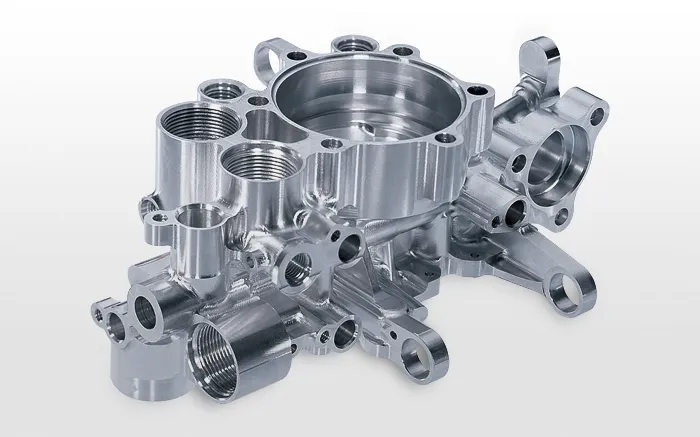
Intelligent Labs Romania produces highly complex parts, one-off or in medium series, on machines with simultaneous 5-axis interpolation.

07

Laser cutting, bending, welding

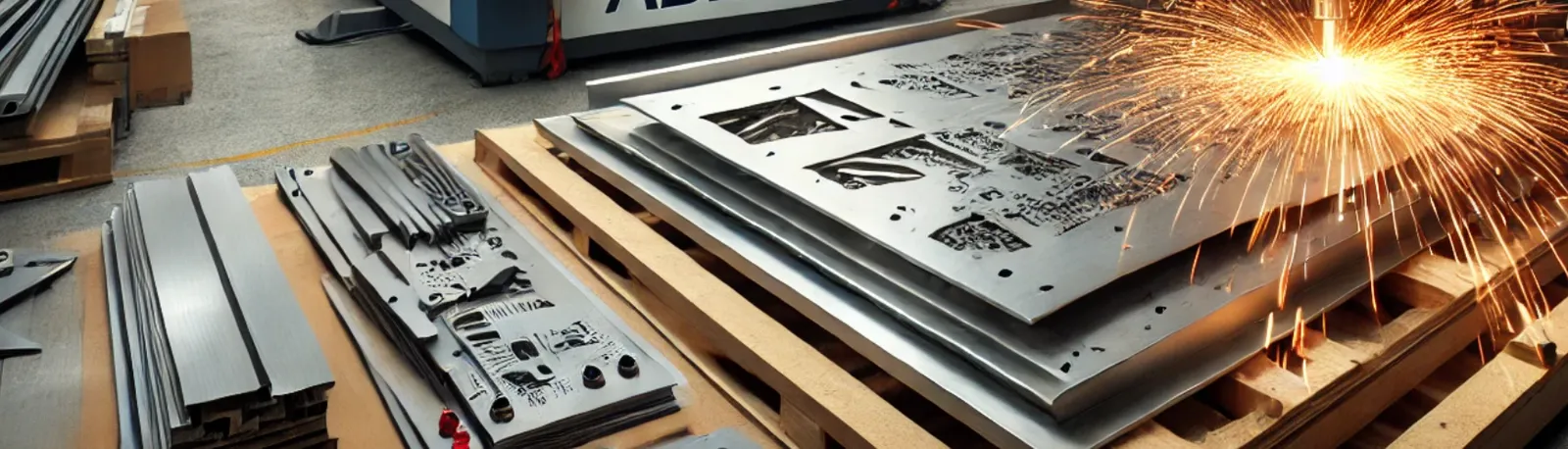
Our team makes sheet metal parts that are laser cut, bent on a press brake, welded and finished, using modern technology.

Through the Digital Workshop we turn ideas into reality, combining technical expertise with innovation, to help customers get high-quality, competitive products.

“We are dedicated to excellence in every detail, from concept to finished product.”
Digital Workshop

From idea to product

The steps of making a product

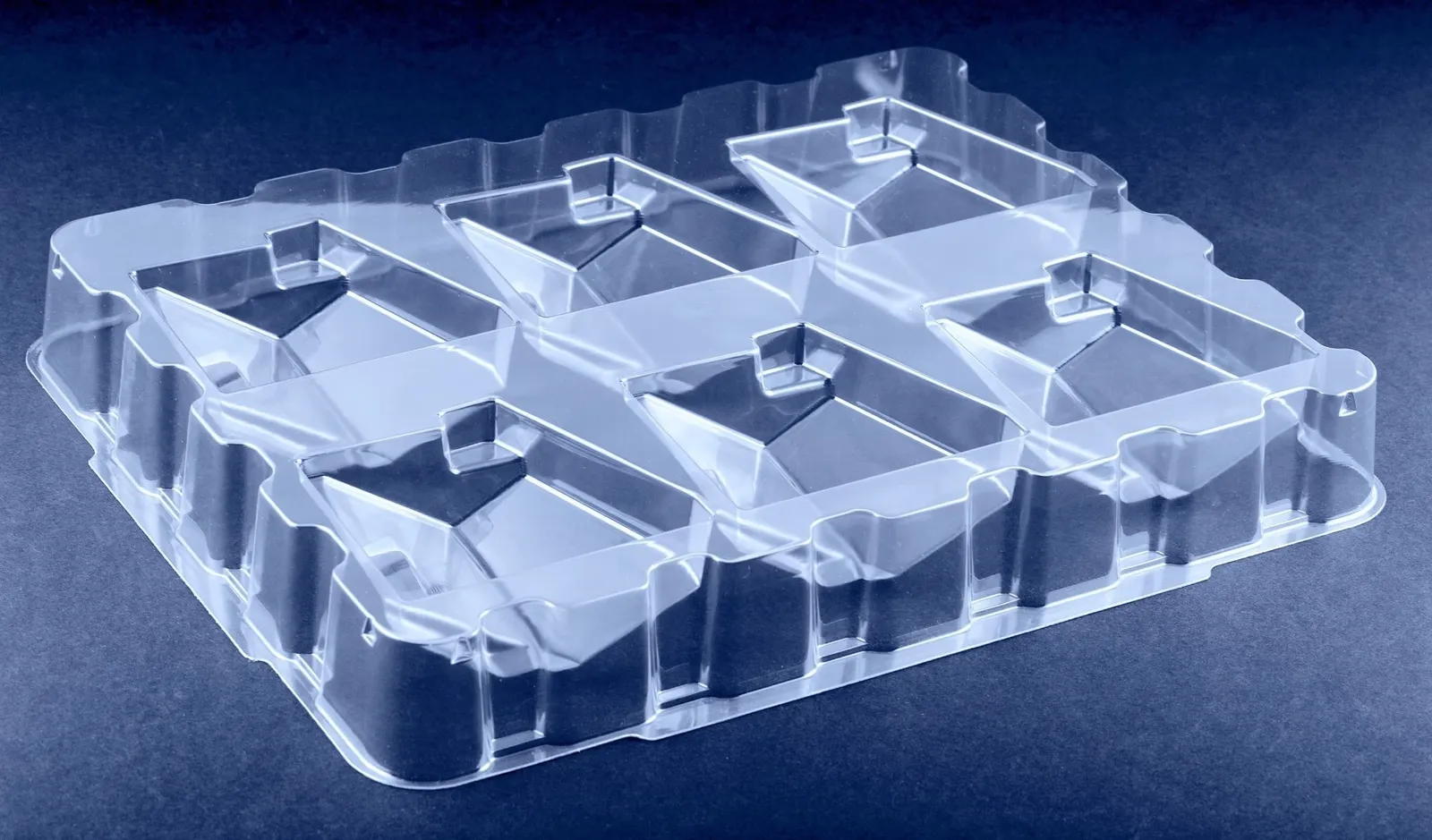
Clear thermoformed plastic tray

Thermoforming

  1. 01Design: the product and mold are designed in CAD software.
  2. 02Making the mold: by CNC machining.
  3. 03Preparing the material: the plastic sheet (PVC, PET, PP and so on) is selected and pre-cut.
  4. 04Heating: the material is heated until it becomes pliable.
  5. 05Forming: the heated sheet is shaped on the mold by vacuum, pressure or mechanically.
  6. 06Cooling: the product cools and solidifies in the desired shape.
  7. 07Trimming and finishing: excess material is removed and the product is finished.
  8. 08Inspection: quality and conformity are checked.
  9. 09Packaging: the final product is packed and prepared for delivery.

This efficient process allows fast production of plastic products with complex shapes.
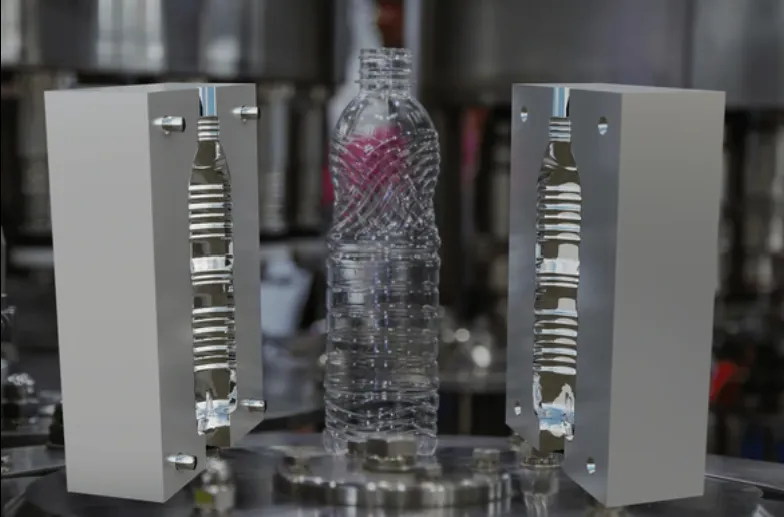
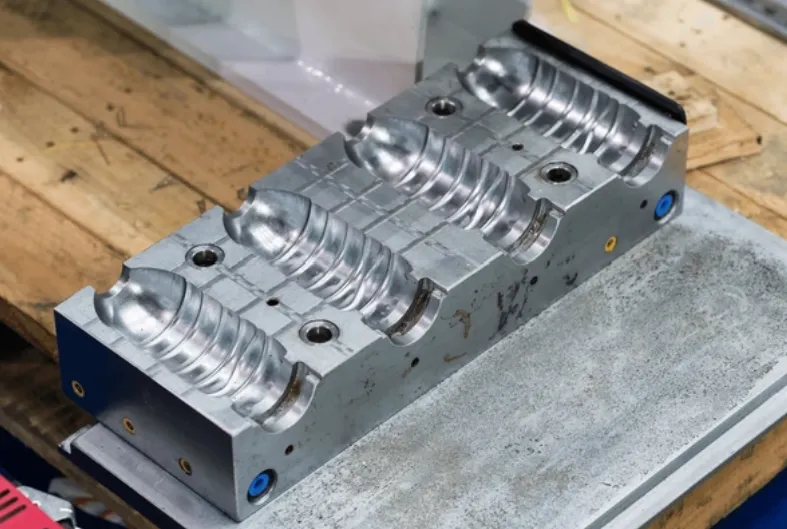
PET blowing mold and the resulting bottle

PET container blowing

  1. 01Design: the container and mold are designed.
  2. 02Making the mold: by CNC machining.
  3. 03Preparing the preform: injection-molded PET preforms are used.
  4. 04Heating: the preforms are heated evenly to become pliable.
  5. 05Into the mold: the heated preform is placed in the mold.
  6. 06Blowing: compressed air is injected to form the container.
  7. 07Cooling: the container is cooled quickly in the mold.
  8. 08Finishing: burrs are removed and the details completed.
  9. 09Inspection: the container's quality and dimensions are checked.
  10. 10Packaging: the containers are packed and prepared for delivery.

This process allows fast production of PET containers with complex shapes.

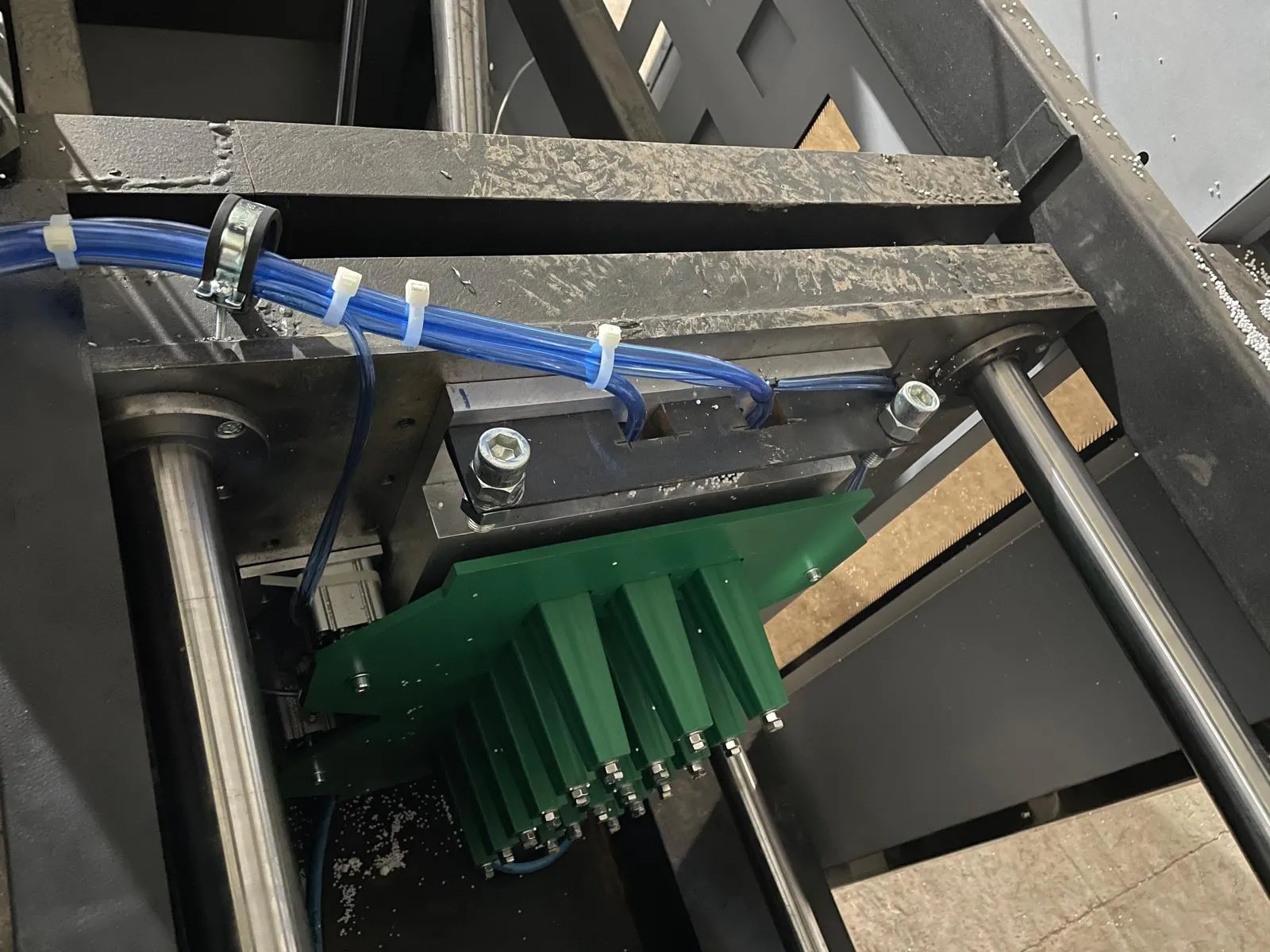
EPS injection mold

EPS injection molds

The EPS injection mold is an essential tool for making expanded polystyrene products, offering durable, custom solutions for packaging, insulating components and industrial products.

Main features

  • High-precision construction – made of high-grade duralumin for strength and durability.
  • Custom design – engineered for complex shapes and fine details, adapted to customer needs.
  • Optimized cooling – integrated circuits for even steam distribution and fast cooling.
  • Universal compatibility – works with various EPS injection machines for maximum flexibility.
  • Energy efficiency – a construction optimized to shorten the cycle time and save energy.

Versatile applications

  • Heat-insulating packaging for food and electronics.
  • Building panels and boards for thermal insulation.
  • Decorative elements and custom industrial products.

EPS injection molds offer modern, efficient solutions for high-volume production, guaranteeing precision, reliability and performance in any industrial application.

CNC machined aluminum mold

Cold casting

  1. 01Design: the product and mold are designed.
  2. 02Making the mold: by CNC machining.
  3. 03Preparing the material: the ingredients of the casting compound (usually resins and fillers) are mixed.
  4. 04Filling the mold: the mixture is poured into an open or closed mold.
  5. 05Cooling: the cast material is left to cool and solidify.
  6. 06Opening the mold: after solidifying, the product is taken out of the mold.
  7. 07Finishing: burrs are removed and further finishing is done, such as sanding or painting.
  8. 08Inspection: the product is checked for quality and conformity.

Cold casting is used to create precise, complex parts from materials such as resins, metals or plastics.

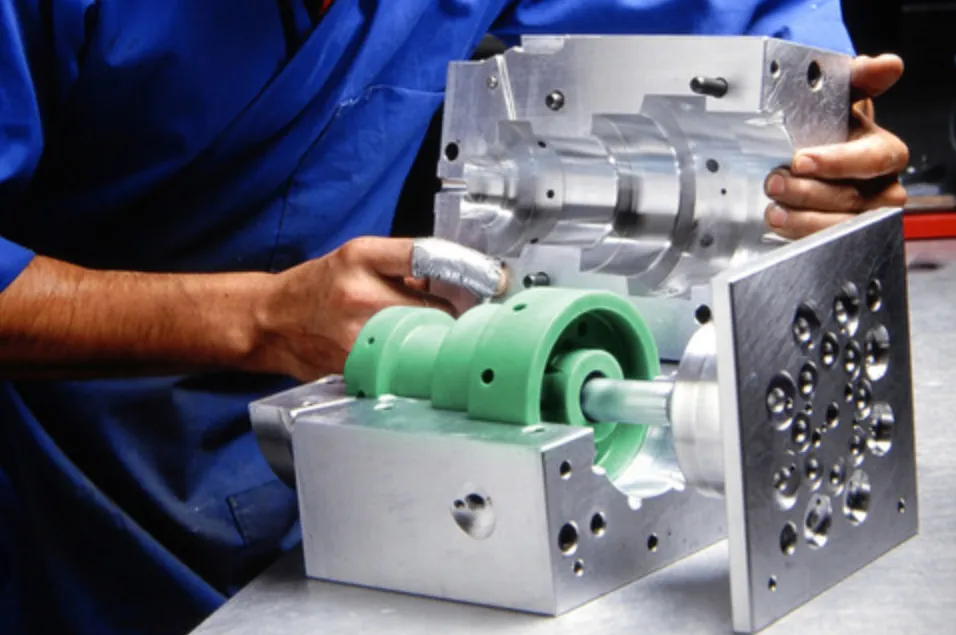
Injection mold for plastic parts

Plastic injection

  1. 01Design: the product and mold are designed in CAD software.
  2. 02Making the mold: the injection mold is machined from special steels on our machines.
  3. 03Preparing the material: plastic granules are heated in a cylinder until they melt.
  4. 04Injection: the molten material is injected under pressure into the mold cavity.
  5. 05Cooling: the material is left to cool and solidify in the shape of the mold.
  6. 06Opening the mold: the mold opens and the part is taken out.
  7. 07Finishing: burrs are removed and further finishing is done.
  8. 08Inspection: the product is checked for quality and conformity.

Plastic injection is a fast, efficient process for making plastic parts of complex sizes and shapes.

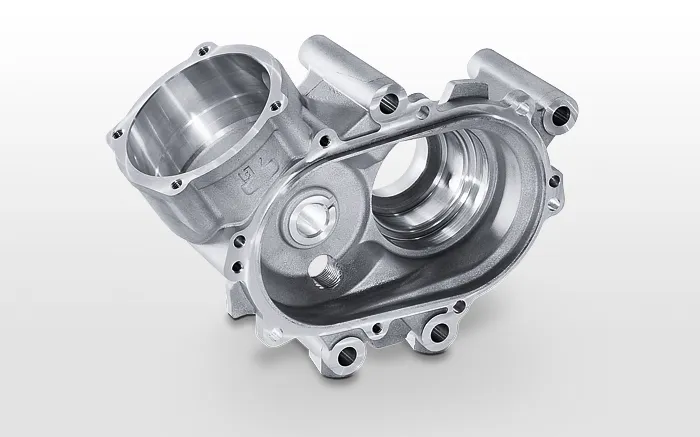
Complex parts, precision technique

5-axis CNC machining

Intelligent Labs Romania produces highly complex parts on machines with simultaneous 5-axis interpolation. Here are a few key applications.

5-axis CNC machining5-axis CNC machining

Tool and mold making

The tool and mold industry needs molds with complex shapes, machined with great precision. 5-axis CNC machines can produce the detailed contours and cavities these tools require.

Aerospace

The aerospace sector demands parts with complex shapes, such as turbine blades and engine components. 5-axis CNC machines handle the complex geometries and tight tolerances aircraft parts need.

Medical

Many devices and implants have intricate designs made with extreme precision. Surgical instruments, bone implants and dental prostheses often need the precision 5-axis CNC machines offer.

Automotive

The production of engine components, gearboxes and custom-designed car parts. Making complex, high-quality parts quickly and efficiently makes 5-axis machining a valuable tool.

Energy

Components for wind turbines and oil and gas equipment often have complex geometries and need precise machining. 5-axis CNC machines can manage large, complicated projects.

Sheet metal parts

Laser cutting, press brake bending, welding, finished parts

Making sheet metal parts takes several essential stages, on latest-generation equipment such as the 6 kW fiber laser and the press brake, followed by welding and grinding.

Laser cutting, press brake bending, welding, finished parts

01  Fiber laser cutting

The first stage of the manufacturing process. This method allows:

  • High precision – exact cuts, even for complex contours.
  • Superior edge quality – no burrs or thermal deformation.
  • Versatility – different materials, including stainless steel, aluminum and carbon steel.
  • Greater efficiency – high speed and minimal material loss thanks to an optimized cutting path.

02  Press brake bending

After cutting, the parts are shaped by bending on CNC press brakes.

  • Millimeter precision – CNC control achieves the desired angles with strict tolerances.
  • Flexibility – complex shapes and small or large production runs.
  • Repeatability – the automated process keeps shapes consistent across all parts.

03  Welding

When parts need assembling, they are welded using technologies such as TIG, MIG-MAG or laser welding.

  • High mechanical strength – durable joints.
  • Better appearance – quality welding minimizes the need for touch-ups.
  • Adaptability – welds different thicknesses and types of material.

04  Finishing and grinding

The last stage ensures a pleasing appearance and optimal function.

  • Removing imperfections – weld marks, scratches or burrs are eliminated.
  • Polishing and special treatments – corrosion protection or a glossy/matte finish.
  • Quality control – parts are checked against technical and aesthetic specifications.

Advantages of the process

  • Superior precision and quality thanks to modern equipment.
  • Design flexibility – complex shapes and fine details.
  • High productivity – the automated process cuts execution time and material loss.
  • Durability – strong products with a professional finish.

This modern workflow is used in various industries, from metal construction and industrial furniture to automotive components and custom equipment.

Have a project?

Send us the drawing or a description of the part and we will come back with a quote.

Contact the experts